
DANCING ON THE CEILING BEFORE LAST WEEKEND’S NOR’EASTER

James Taylor sang about it nostalgically in the song Up on the Roof as did Billy Joel in Half a Mile Away. But being on top of the house is my least favorite place to be as a homeowner. Last weekend’s nor’easter meant that I would need to be on my roof for some pre-storm maintenance after being too busy the past few months to deal with these repairs.
When I bought my current house almost seven years ago, I was impressed that it had a small television room by the entry, a cozy space that was most likely a three-season porch at one time, with a gas heating stove that looks like a classic wood stove. It’s a great looking unit, green with a black pipe, an old Vermont Castings stove that gives the room a rustic look. The only trouble is, when I bought the house I was told that the stove would never work again. The prior owners told me that it had been serviced by a professional who determined that replacement was the only option.
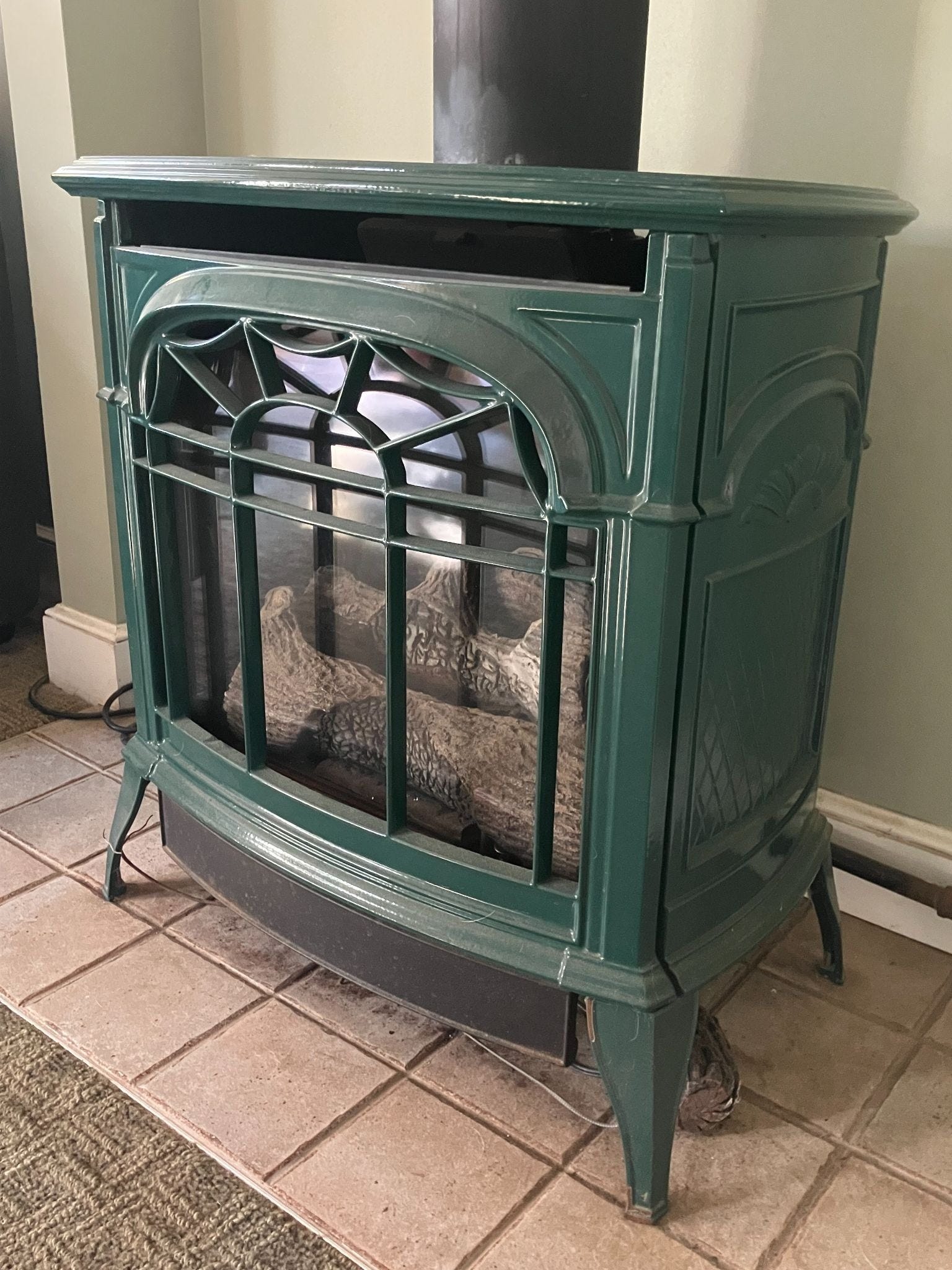
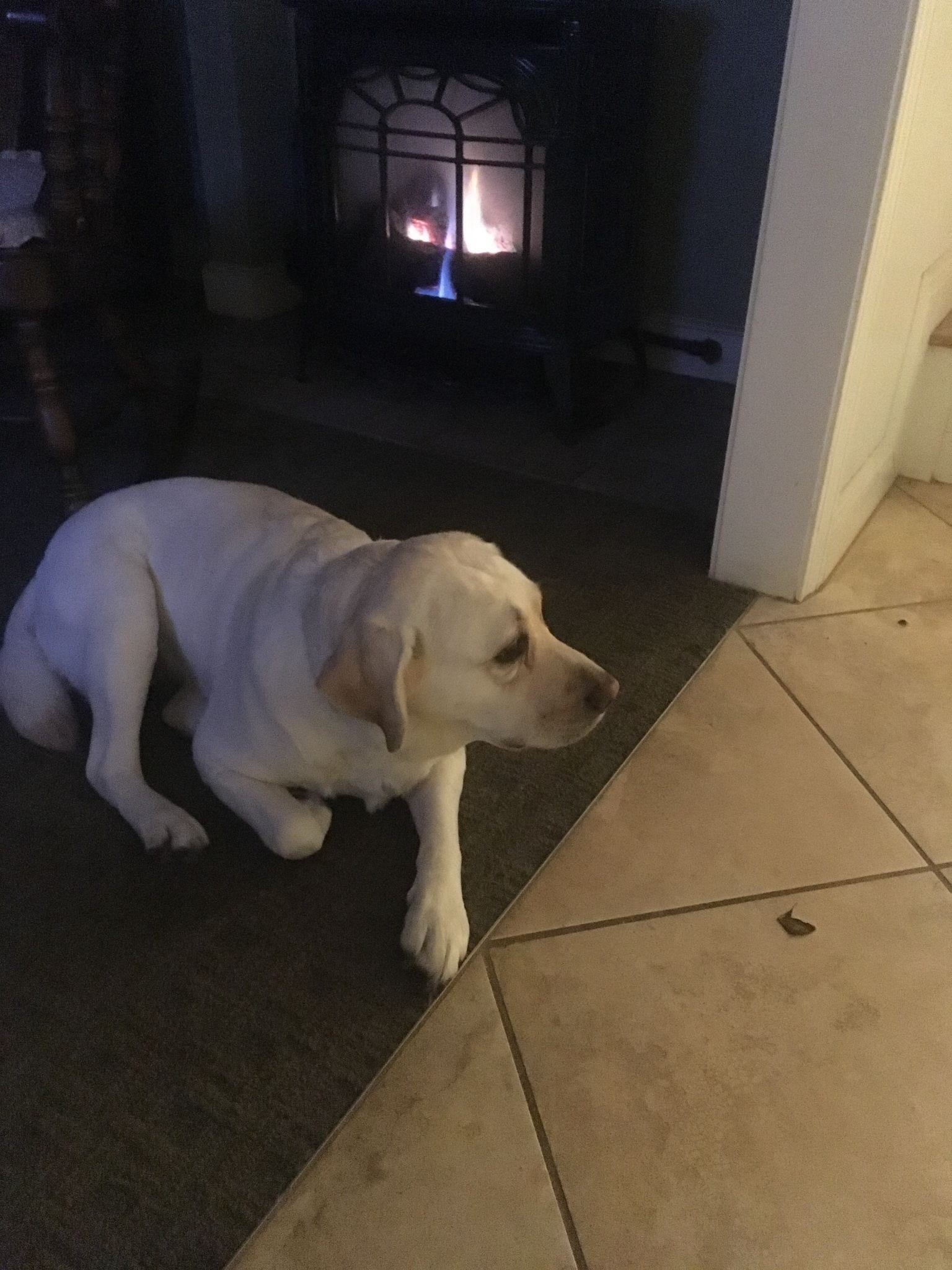
The first fall I was in the house, I had someone come out to look at the stove from a nearby fireplace store. I thought it would be worth $150 to play stupid, something I happen to be good at, and see if a trained professional could make it work. A man resembling Grizzly Adams showed up at my house and began investigating the wires underneath the unit, toggling every possible combination until he eventually got a flame to appear in the stove. Connecting it to the thermostat, he told me, might be a bridge too far. Glad to see it working, I was perfectly happy to operate the stove manually using the cleverly disguised switch on a small fake log attached to a long wire underneath the unit. Although the wire connecting the fake log was temperamental, the stove worked somewhat functionally for five years despite a noisy fan and what might have been questionable air quality. I was always aware that the life of the stove was probably limited. When it didn’t work, I learned that I could jiggle the wires underneath the stove in order to start a fire, and if I was then careful to leave those wires untouched it would provide me with months of reliable use. Finally last fall when I tried to run the stove for the first time, the unit would not light regardless of how I repositioned the wires. I was referred to a fireplace and woodstove specialist named Leo, a man described to me as the person to call in these situations according to a local tradesman. But after making several trips replacing what Leo said were the few parts that these stoves require in order to operate he remained mystified, telling me with a sense of defeat that my stove was his first repair failure. He eventually determined that my Vermont Castings needed a new valve, and specifically a Honeywell valve that is no longer made. Leo told me that I might be able to find one used, but even then my stove was probably on borrowed time. As a new stove costing thousands of dollars was not a financial priority for me at the time, I instead purchased an infrared space heater which warms the small room perfectly while I continue to enjoy the look of the old Vermont Castings in the corner. I even attached a photo of a roaring fire to the unit’s front glass, an image accurate enough to give me the impression that it’s real provided I am not wearing my contacts. In reality, the gas stove was too hot for the little room leading to sauna-like conditions within a few hours if you managed to fall asleep on the couch. The stove still looks great even while not operating, and for something largely aesthetic that is only used for a few months during the year, I am perfectly happy to have saved the estimated $8,000 that it would have taken to replace it, at least for the time being.
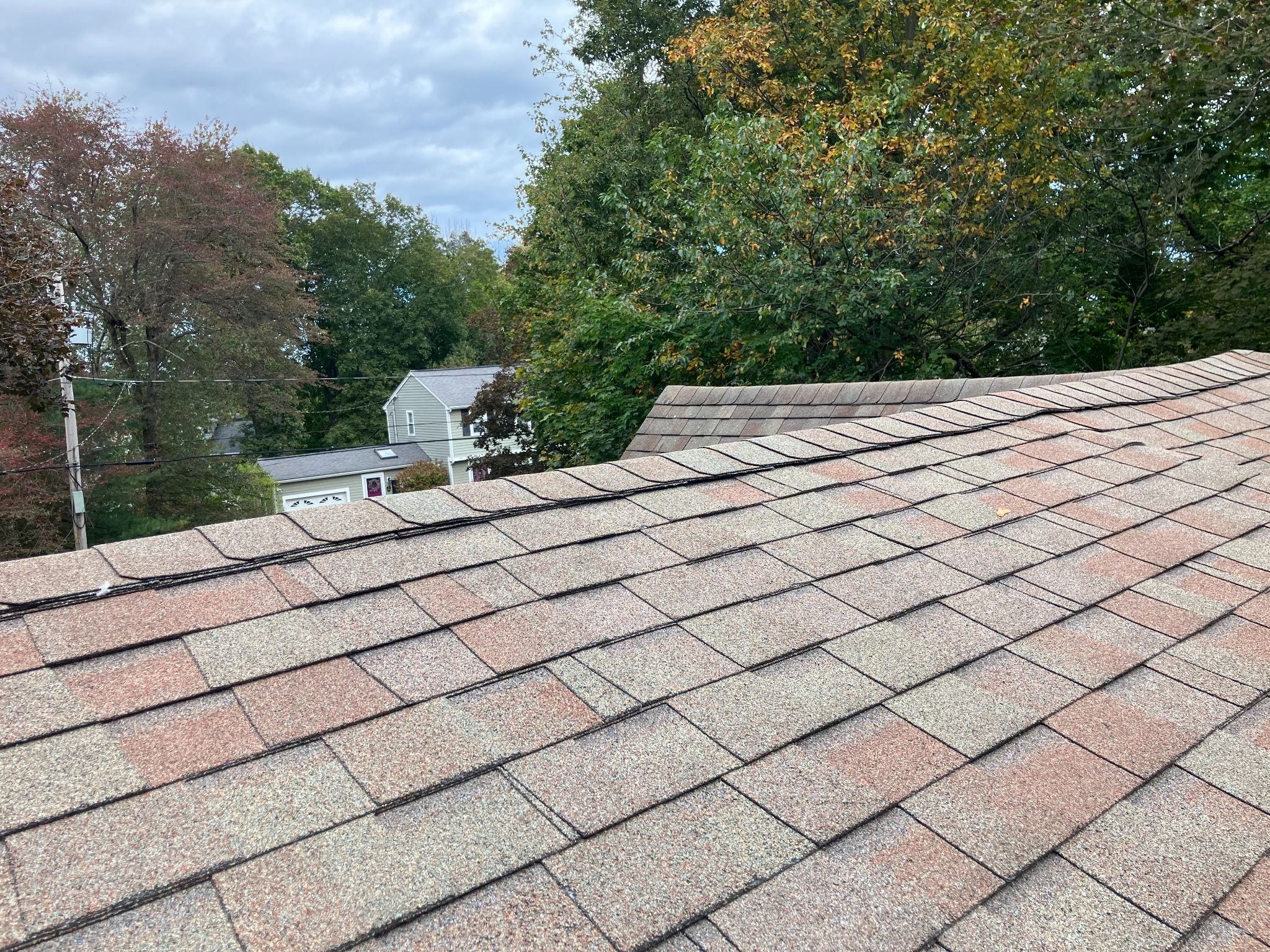
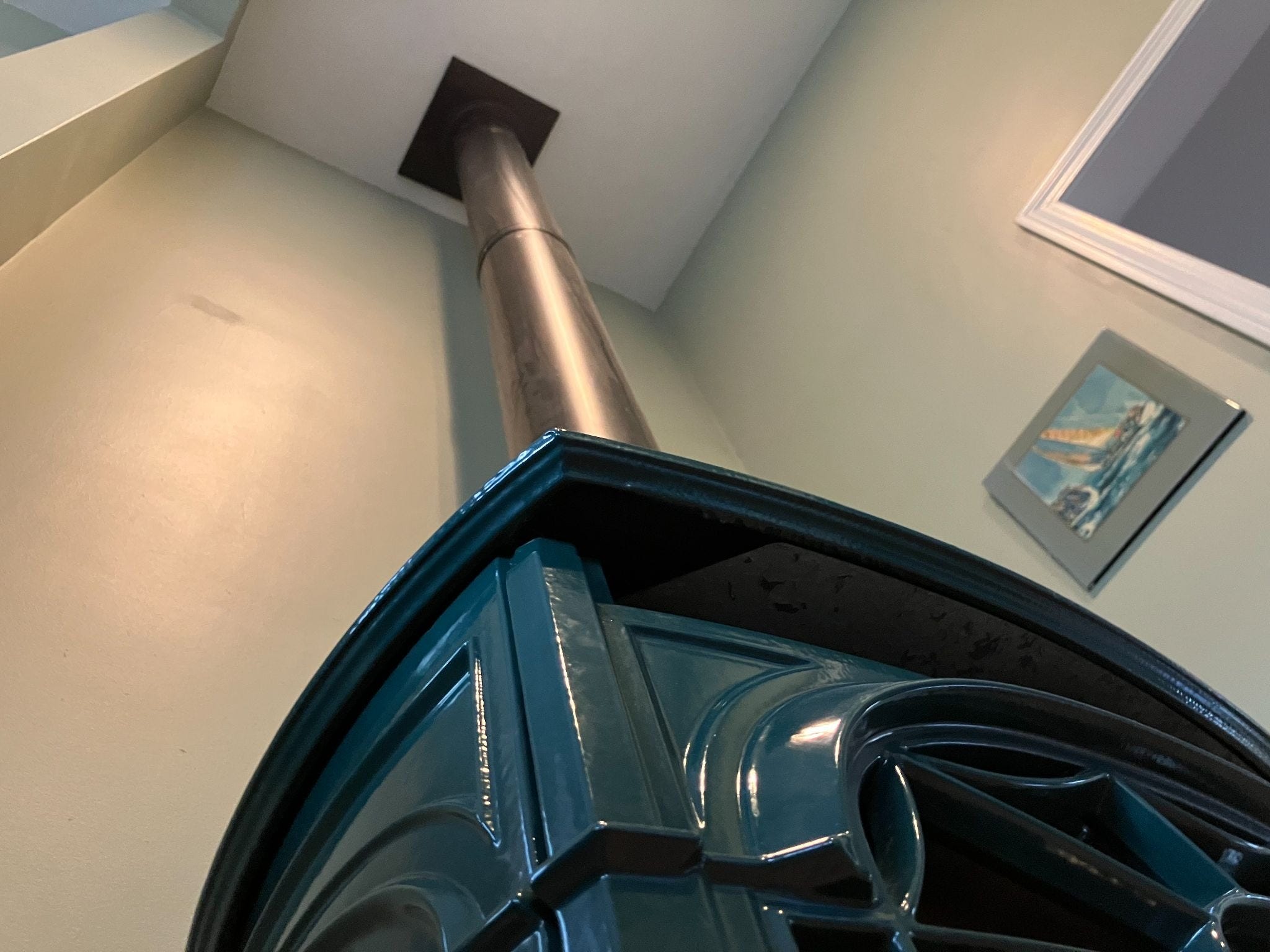
But this fall brought an entirely new problem with the non-working stove sitting in my television room. The aluminum chimney running up from the stove began to leak meaning I now had an inoperable unit that was also causing water to enter from the roof. It didn’t always leak, only after I thought I had fixed it and dared to remove the lobster pot and towel I had put on top of the stove to catch the water. For the first time, I considered removing the stove entirely and permanently repairing the roof above it. Although the little stove did add some charm to the house, water was quickly becoming more of a priority. In past attempts, I had used a tube of Liquid Nails roof repair to seal areas around the aluminum chimney, particularly around the flashing. Like a detective, I concluded at one point that the leak was probably caused by a potentially clogged drainpipe just above it and worked hard before rain storms to keep it free from leaves and debris. But the leak continued to defy logic, allowing water to come in almost invariably when it was least expected. I would need to dedicate a day up on the roof before last weekend’s nor’easter.
The timing was perfect. The weather during the first part of last weekend proved to be the proverbial calm before the storm, and I happened to be stranded and without a vehicle due to a broken down truck sitting in my driveway with the hood up since the weekend before. Unable to get to a hardware store, I was going to have to use whatever I had available in the basement. I gathered an old can of Rubber Flexx liquid leak stopper that I had used at one point to repair a small gutter crack along with two small paint brushes, a regular screw driver, a roll of Rubber Flexx tape, and an old spray can of Flex Seal just in case. I carried the materials up the ladder and rested them on the roof just beyond the gutter. I then jumped onto the roof, quickly scaling the shingles and making my way up to the chimney area. After establishing what I thought might be safe footing, I opened up the can of Rubber Flexx with the screw driver and quickly went to work covering every possible surface area around the aluminum chimney including the flashing and the chimney’s protective ring. It did cross my mind that it might not be a great idea to be applying Rubber Flexx to the chimney, but as the stove would not light I decided that a potentially flammable coating would be of little concern. I also climbed up and did the best I could to inspect the chimney cap attempting to tightly secure its protective screen but backed off before pushing too hard figuring I could make it worse or possibly fly off the roof. I now had the lower part of the chimney thoroughly protected with rubber sealant. If it leaked during the nor’easter, I could safely assume that the problem is related to the chimney cap.
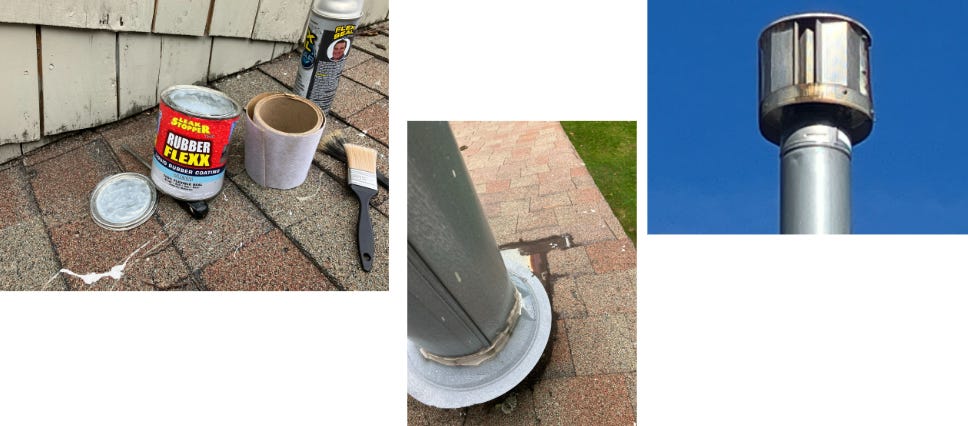
Having safely survived the roof feeling focused and productive, I decided to clean all of the gutters including every downspout in order to be fully prepared for the heavy rain. One of the high downspouts on the back of the house has been needing repair or replacement for some time, a summer job on my list that I had been unable to get to. What I thought had been a more significant problem turned out to be a small hole in the aluminum elbow of the downspout. I cut out a tiny square from the Rubber Flexx tape and fastened it over the hole. I went back up and carefully reinstalled the downspout elbow, forcing it into place being careful not to scrape away the piece of tape that I had just applied over the small hole.
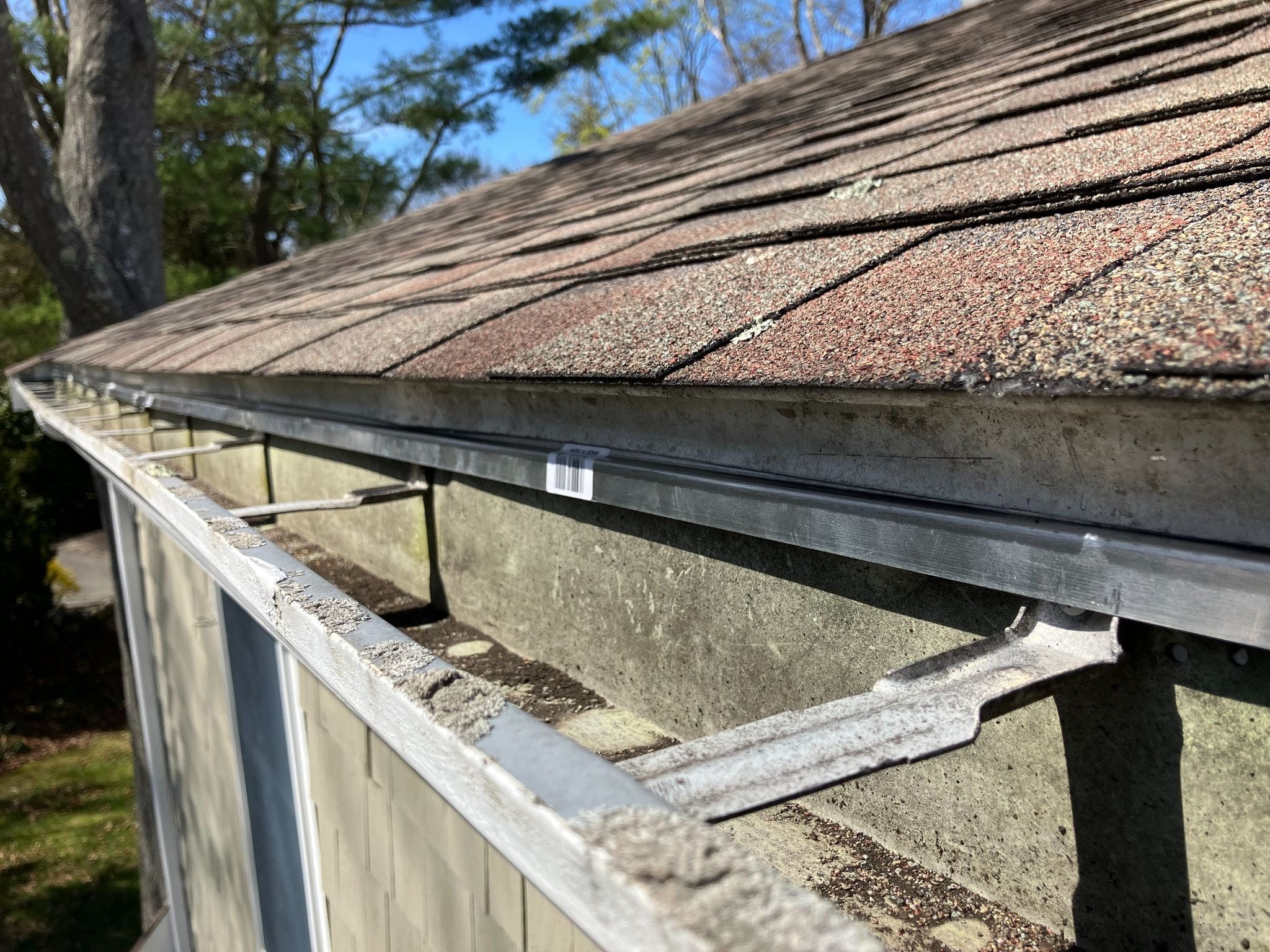
With the rain starting to come in on Sunday morning, I was happy that I had made the effort to not only get up on the roof but to also clear the gutters and downspouts. I spent the morning up on a ladder using a hose to recreate rain on the roof, checking both the repairs I had done and to be sure that the downspouts were draining properly. I watched closely from the top edge of the house as the gutters delivered the water into the drainpipes, and also verified that the patch I had used to cover the hole in the downspout elbow had effectively dried and was working. Everything appeared to be watertight. With the rain beginning to fall, I had finished my work just in time for the big storm to arrive.
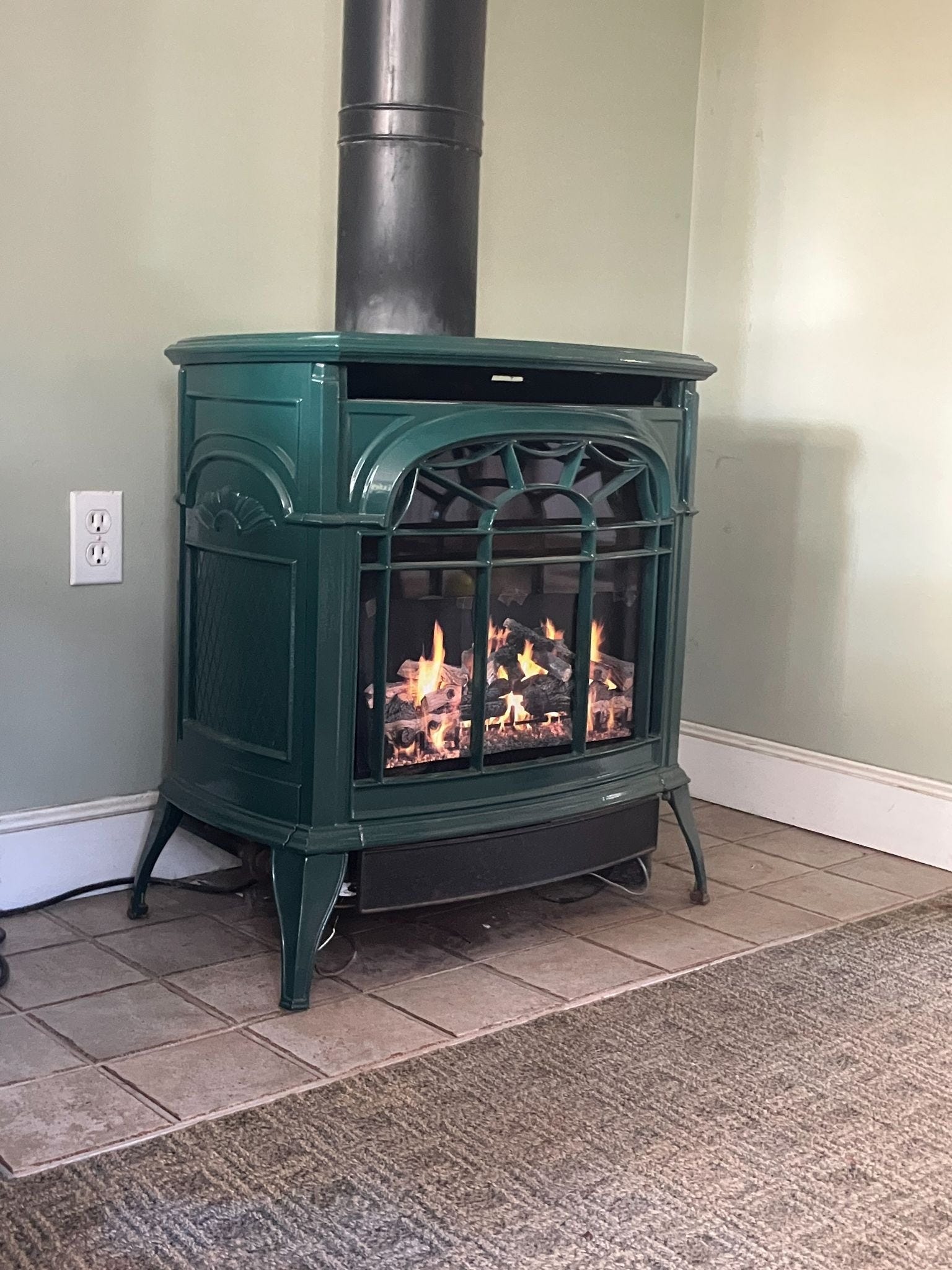
Last weekend’s nor’easter came in with a predicted vengeance. During the course of the storm I kept listening for that sound, the loud ping of the first drops falling into the lobster pot positioned to catch water that’s been sitting on top of the wood stove for the past few months. But as of last Tuesday night, after nearly three days of wind and rain, not a drop of water had leaked from the aluminum chimney above the stove.
Satisfied that I finally solved the mystery of the leak, my house is now ready for another harsh New England winter and that is good news for all, that is, unless you’re a lobster.
If you like my articles, please hit the “LIKE” button. It will help to let me know that you are enjoying my writing.
I welcome and invite you to COMMENT.
And please SHARE these posts! This gives added support to my Substack page and also helps to add new readers.
Thanks so much to anyone who is reading Journeys with Jay!